2-Propanethiol
-
- Category :
Organic chemicals and Derivatives/Aroma compounds
- CAS NO : 75-33-2
- EC NO : 200-861-4
- Molecular Formula : C3H8S
- Main Specifications : 99% min
- Synonyms : Isopropyl mercaptan;Propanethiol;propane-2-thiol;Isopropyl mecaptan;
Package: 25kg�,50kg 200kg
Uses : Mainly used as an intermediate in organic synthesis
Molecular Structure:
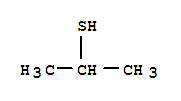
Product description:
What is the chemical of 2-Propanethiol?
Appearance: Colorless and transparent liquid, with an extremely unpleasant odor (often described as a strong skunk smell), and an extremely low olfactory threshold (0.000006 ppm) ;
Assay:99%min by GC ;
IR Identity: conform to standard ;
HNMR: conform to standard ;
carbon spectrum: conform to standard ;
Water by K. F.:0.5% max or as per the customer’s request ;
Loss on drying:0.5% max. or as per the customer’s request ;
boiling point: 57–60 °C;
=============================================================================
Purpose:
Mainly used as an intermediate in organic synthesis, it has applications in the synthesis of pharmaceuticals, fragrances, and electronic materials
As a solvent, it can be miscible with ethanol, ether, acetone, etc
In the food industry, as an edible spice (FEMA 3897), it is allowed to be used in baked goods, cold drinks, seasonings, etc., but the dosage is extremely low (0.1-5.0 mg/kg)
It is also used for scientific research, analytical reagents, and preparation of essence and fragrances
============================================================================
synthetic route
The industrial synthesis of isopropyl mercaptan usually uses 2-bromopropane (or isopropyl chloride) and thiourea as raw materials, which react to produce isopropyl isothiocyanate, and then hydrolyze to obtain it
Other common routes include:
Addition of propylene and hydrogen sulfide
Reduction of acetone and hydrogen sulfide under the action of catalyst



 Search Product